
Decoder
Latest Posts
Buzz vs. Biology: Which Water Is Actually Better—Alkaline, Distilled, Spring, or Tap?What really matters for hydration, not hype.
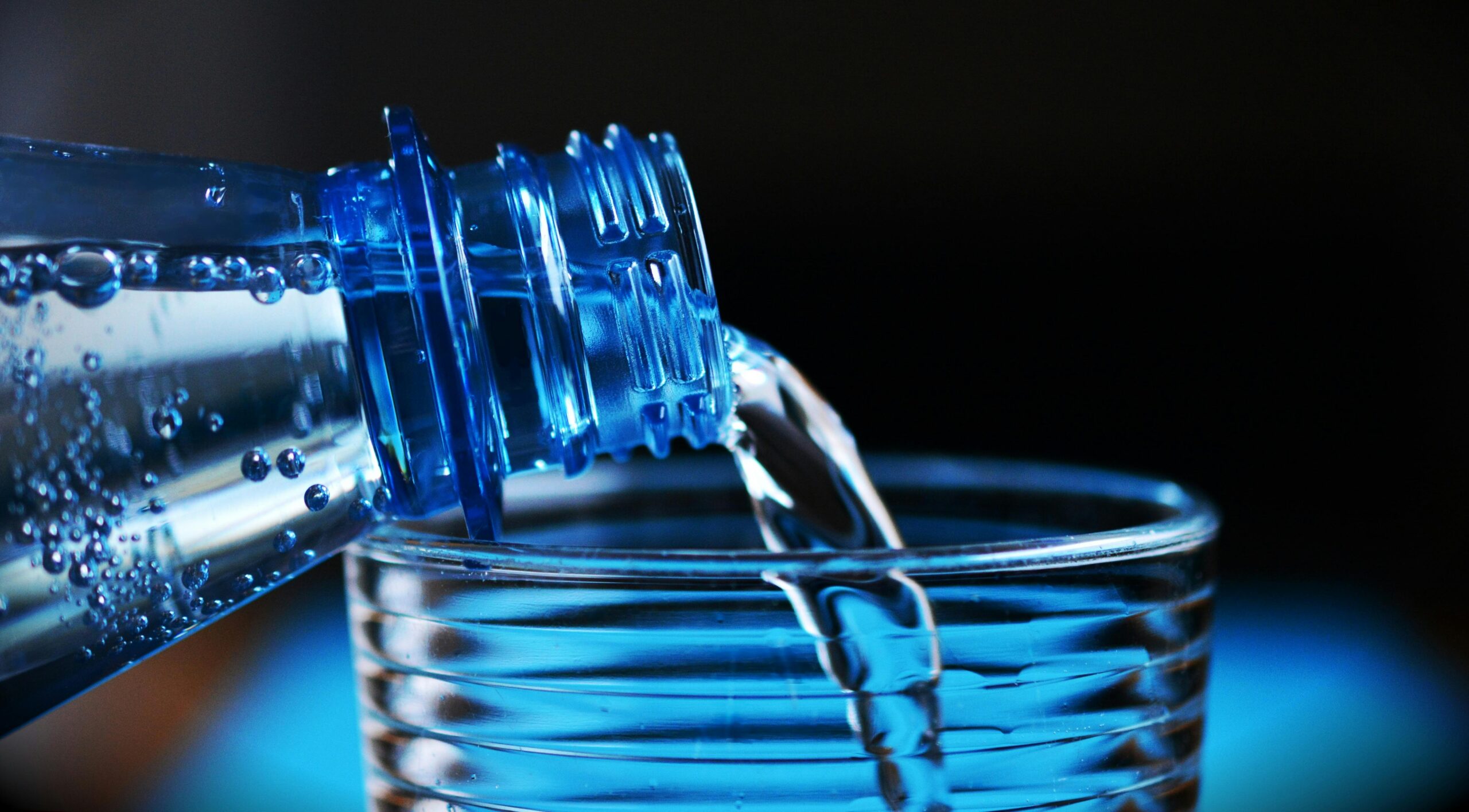
Walk into any health store or scroll TikTok and you’ll see claims that alkaline water balances pH, distilled water is the purest, spring water is nature’s elixir, and tap water is toxic. But when it comes to real hydration, what actually matters isn’t the label—it’s the science behind absorption, safety, and sustainability. What Actually Matters…
Busting Wellness Pseudoscience: EMF Shields, Detox Foot Pads, and Energy StickersWhat’s Evidence-Based, and What’s Just Snake Oil?
The Promise vs. The Proof From tech-addicted teens to health-conscious adults, many people turn to wellness gadgets hoping for an easy fix to invisible threats—radiation, toxins, or “bad energy.” But most of these products prey on fear, not facts. Let’s cut through the pseudoscience. EMF Shields — Tech Fear, Not Science The Claim: EMF shields…
Is Intermittent Fasting Good for Everyone—Or Risky for Some?
Intermittent fasting (IF)—a dietary approach involving scheduled eating and fasting windows—has been celebrated for its metabolic and weight-related benefits. But despite its growing popularity, it may not be safe or effective for everyone. Responses vary significantly based on age, sex, hormonal profile, metabolic health, and existing medical conditions. What Does the Science Say About the…
Can You Balance Hormones Naturally—Or Is It Just a Wellness Myth?
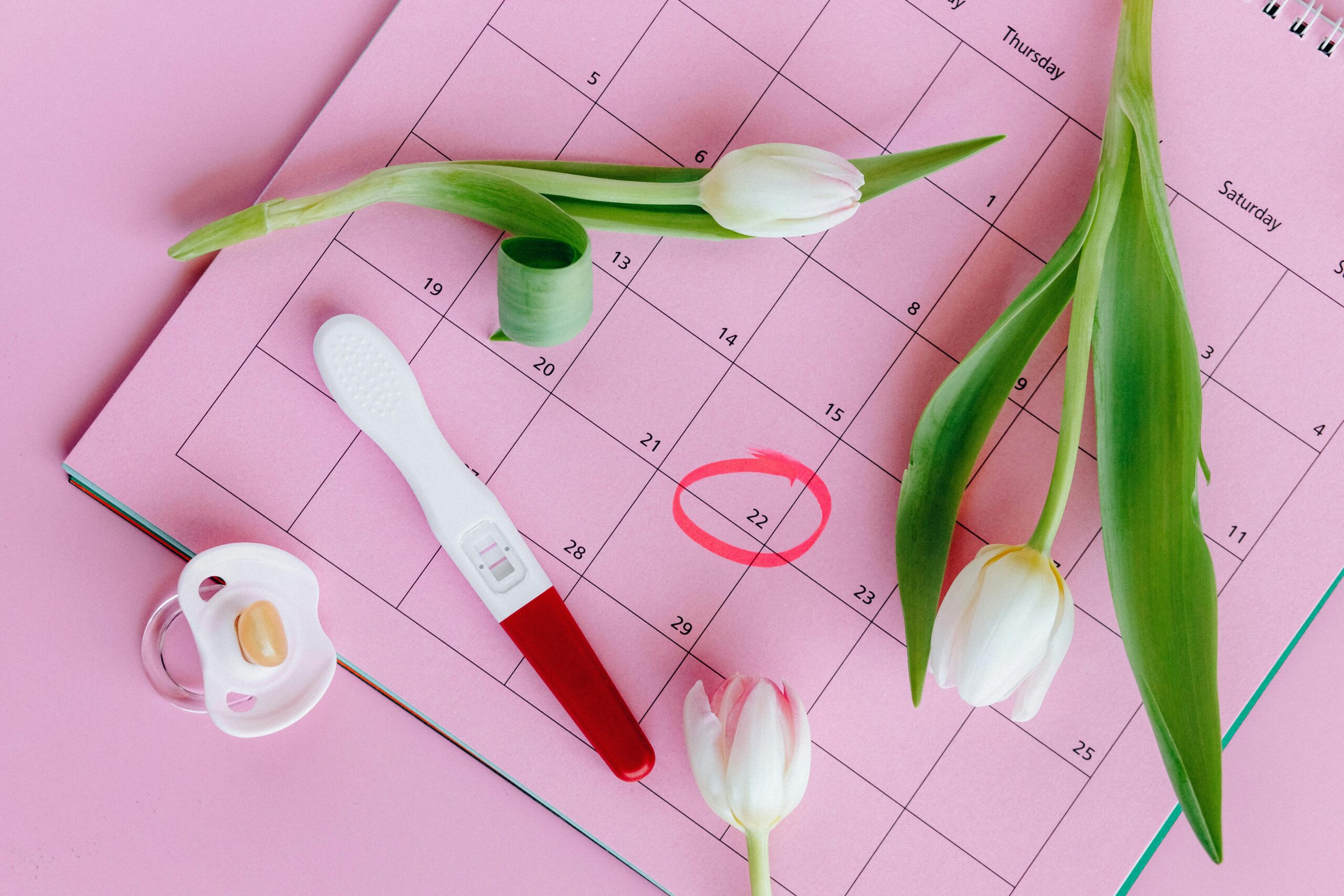
In the wellness world, the phrase “hormone balancing” has become a catch-all promise attached to everything from seed blends and smoothies to herbal supplements and at-home testing kits. But hormones are complex chemical messengers regulated by intricate biological feedback loops—not light switches that can be flipped by a spoonful of flaxseed or a maca latte.…
Do You Really Need 10,000 Steps a Day? The Science Behind Step Counts, Longevity, and Strength

For years, 10,000 steps a day has been marketed as the gold standard for daily activity. Fitness trackers buzz when you hit it, social media posts celebrate it, and health apps nudge you toward it. But is this figure really rooted in science—or simply a well-branded myth? Let’s compare it to what we know about…
Ozempic for Weight Loss: What Happens When You Stop?

Ozempic (semaglutide), a GLP-1 receptor agonist originally designed for type 2 diabetes, has gained widespread attention for its ability to help users lose significant weight. But what happens when you stop taking it? Emerging research suggests that the story doesn’t end when the injections do—especially in terms of weight regain. The Semaglutide Rebound Effect When…
Does cutting seed oil really improve health- or is it internet hype?

The idea that cutting seed oils improves health has become a hot topic online — but is it evidence-based or just internet wellness hype?Here’s a deeper, science-backed look: The Claim Seed oils like canola, soybean, sunflower, and corn oil are harmful because they are high in omega-6 polyunsaturated fats, which some claim drive inflammation, obesity,…
Are Green Powders a Waste of Money or Legitimate Health Boosters?

From celebrity endorsements to wellness influencers, green powders like Athletic Greens (AG1) and Bloom Greens are marketed as a daily health ritual. Promising benefits such as improved digestion, immunity, energy, and detoxification, these powdered blends appeal to the health-conscious yet time-poor consumer. But do they offer legitimate health benefits, or are they simply a glorified…
Magnesium for Sleep: What the Science Says and Which Type Works Best

Magnesium has become a popular supplement for sleep, but does it actually help—and if so, which type is best? Let’s break down the evidence and compare magnesium forms based on their effectiveness and intended use. The Science Behind Magnesium and Sleep Magnesium plays a critical role in sleep regulation by influencing neurotransmitters such as GABA,…
Do Cold Plunges Actually Improve Health?
The Claim Cold plunges—brief immersions in cold water, typically between 50–59°F (10–15°C)—can enhance overall health by boosting immunity, improving circulation, reducing inflammation, speeding recovery, and even improving mental well-being. Verdict: Promising for Some Benefits, But Not a Cure-All Cold plunges offer several potential health perks, especially when practiced safely and consistently. However, they’re not a…